

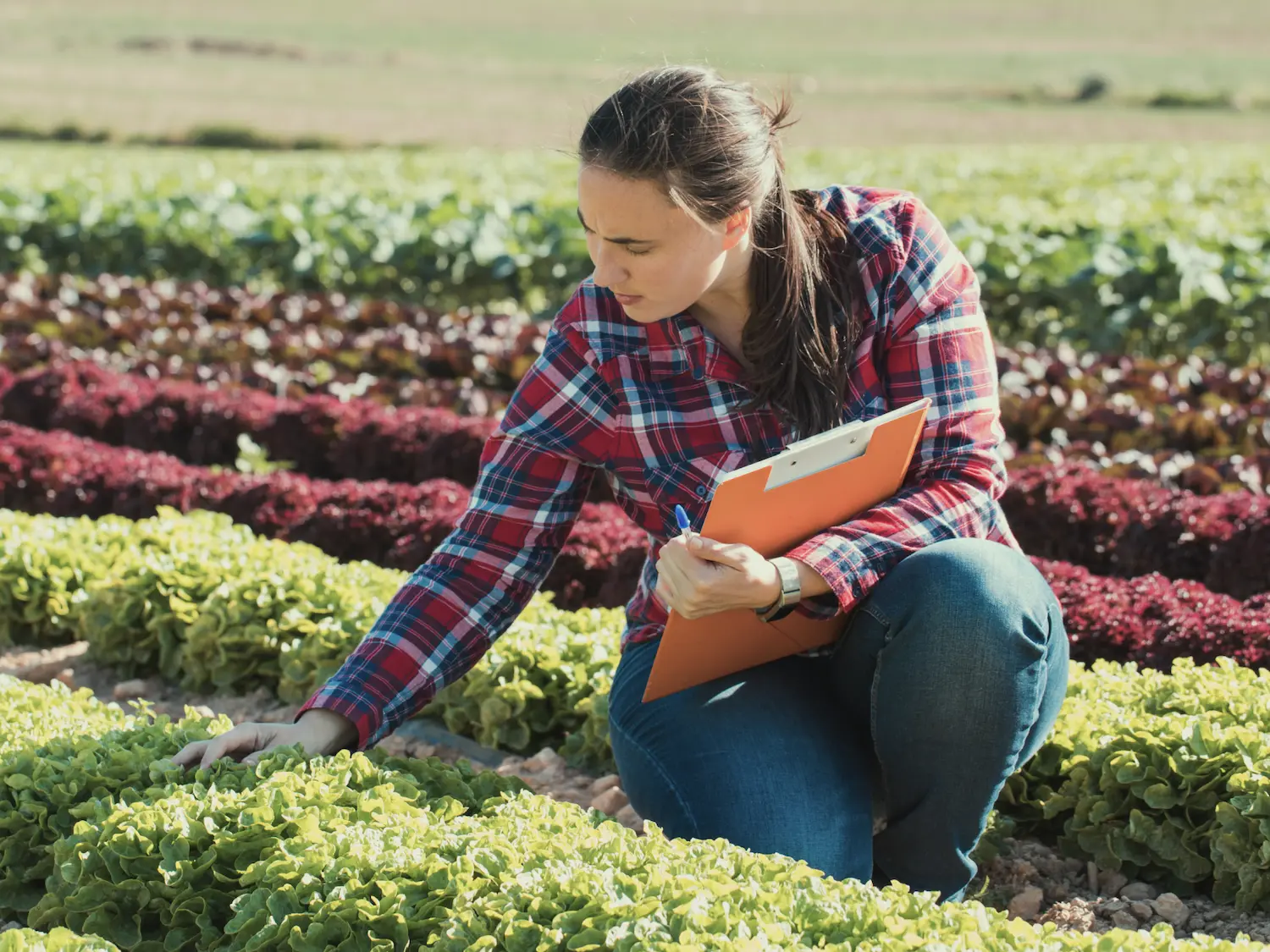
Climate change is presenting farmers with new challenges. Unpredictable weather events, longer periods of drought and extreme rainfall are threatening harvests worldwide. But modern technology offers solutions: High-precision weather forecasts are becoming a protective shield for agriculture.
The challenge
Traditional weather forecasts are designed for large-scale regions and are often too inaccurate for specific agricultural decisions. However, a farmer needs precise information for his specific field - when will it rain, how strong will the wind be, and how will the soil moisture develop?
Revolution through micro-weather data
Modern AgriTech systems use satellite data, local weather stations and AI algorithms to create hyperlocal weather forecasts. This "micro-weather data" can provide forecasts for areas of just a few square kilometres - accurate enough for individual fields.
Practical applications
Optimum sowing: Precise forecasts enable farmers to determine the ideal time for sowing and minimise the risk of cold snaps or heavy rainfall.
Irrigation management: Intelligent systems calculate the optimum watering time based on weather forecasts and soil moisture. This saves water and prevents overwatering.
Disease prevention: Certain weather conditions favour plant diseases. Early warnings allow preventative measures to be taken before damage occurs.
Success story from the field
An apple grower in Styria has been using an intelligent weather forecasting system for two years. The hyperlocal data helped him to receive a timely warning of an unforeseen late frost. By switching on the frost protection irrigation system in good time, he was able to save his entire harvest - preventing damage of over 200,000 euros.
The role of artificial intelligence
AI algorithms analyse historical weather data, satellite images and real-time measurements to identify patterns and refine forecasts. The more data is available, the more precise the forecasts become. Machine learning enables the systems to learn from every weather event and continuously improve.
Investing in the future
Investing in intelligent weather forecasting systems pays off quickly. Studies show that farmers can reduce their crop losses by up to 40% thanks to precise weather data. In times of climate change, such systems are not only a competitive advantage, but a necessity for sustainable business.