

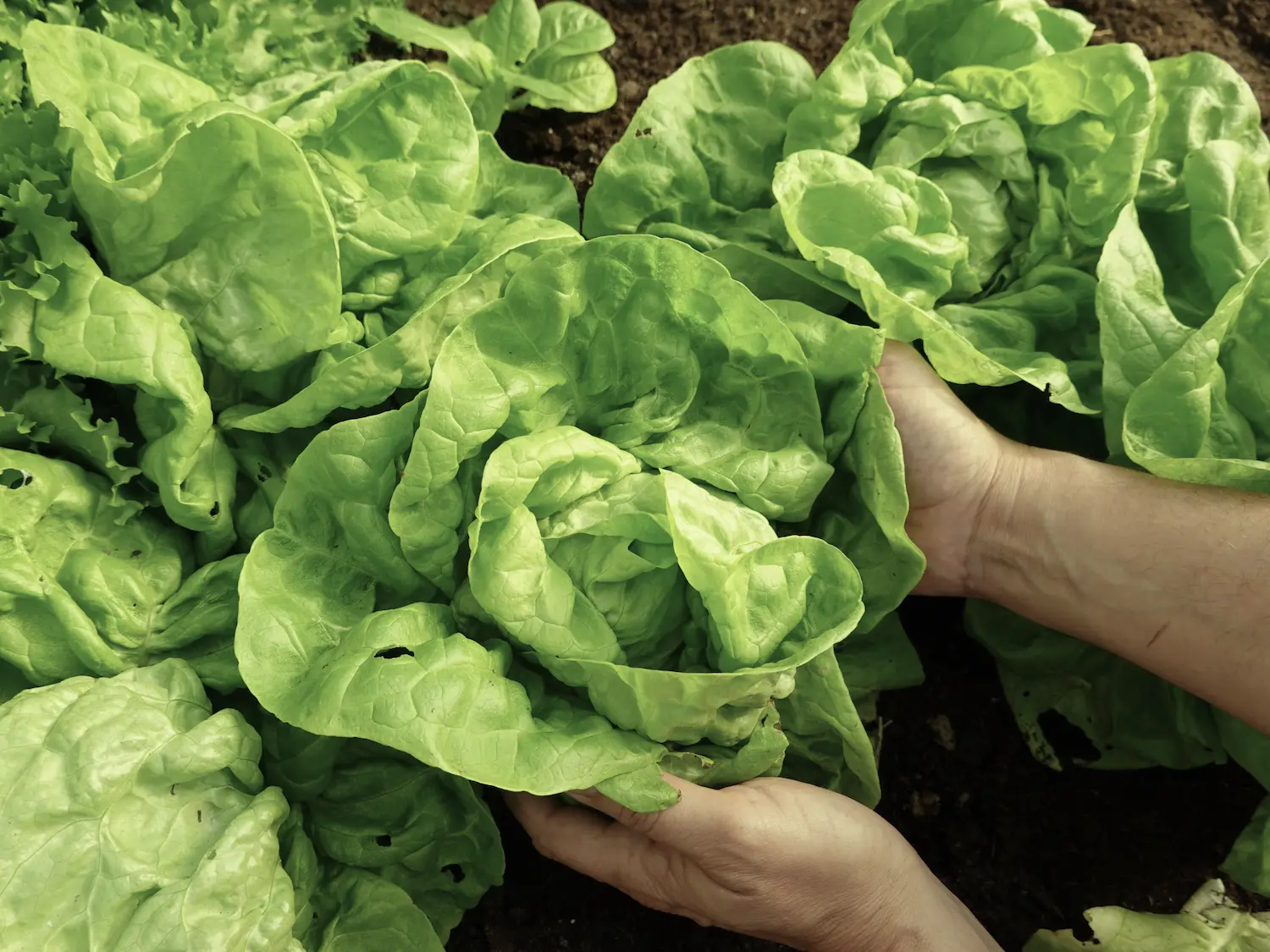
Agriculture is one of the oldest economic sectors known to mankind. But while the basic principles of cultivation have remained the same, artificial intelligence is revolutionising the way farmers work. From sowing to harvesting - AI is becoming an invisible partner in the field.
AI in agriculture - more than just a trend
Artificial intelligence is no longer just a buzzword in the tech industry. AI is already being used in agriculture today to make complex decisions, optimise resources and maximise yields. But what makes AI systems so valuable for modern agriculture?
Self-learning systems understand your fields
Modern AI systems analyse countless data sources: Soil sensors, satellite images, weather data, historical harvest records and even market prices. From this information, the algorithms learn the specific characteristics of each field and can make precise recommendations.
Example from practice: An AI system recognises that a certain area of a maize field has consistently achieved lower yields over the last three years. By analysing soil data and weather conditions, the AI identifies a nutrient deficiency and suggests targeted fertilisation. The result: 25% higher yields in this area.
Disease detection in real time
One of the most impressive applications of AI in agriculture is automatic disease detection. Drones with high-resolution cameras fly over fields and take pictures of the plants. AI algorithms analyse these images and can often detect diseases or pest infestations before they become visible to the human eye.
Optimising the use of resources
AI systems take countless variables into account at the same time: soil type, weather conditions, plant growth, nutrient content and much more. This complex data analysis makes it possible to use resources such as water, fertilisers and pesticides precisely.
Water management: An intelligent irrigation system continuously analyses the soil moisture, weather forecasts and the plants' water requirements. It only waters when it is really necessary and saves up to 50% of water in the process.
Precision fertilisation: Instead of fertilising the entire field uniformly, the AI creates a "fertiliser map" with different zones. Each zone receives exactly the nutrients it needs.
Predictive analytics for better planning
AI can not only analyse the present, but also predict the future. Predictive analytics help farmers with strategic planning:
- Yield forecasts: The AI can calculate the expected yield months before the harvest
- Market analysis: Algorithms analyse market trends and help to decide which crops should be cultivated
- Risk assessment: AI identifies potential risks such as extreme weather or disease outbreaks
Challenges and solutions
The implementation of AI in agriculture also brings challenges:
Data quality: AI systems are only as good as the data they receive. However, modern sensors and satellite technology are providing ever more precise data.
User friendliness: Many farmers shy away from complex technology. The solution: Intuitive user interfaces and automated systems that work in the background.
Costs: The investment in AI technology can be high. However, scalable solutions and software-as-a-service models also make the technology accessible to smaller companies.
The future is already here
Agriculture is on the threshold of a new era. AI-supported systems are not only becoming more efficient and sustainable, but also more user-friendly. Farmers who invest in these technologies today are securing a decisive advantage for the future.
The combination of traditional knowledge and modern technology opens up completely new possibilities. AI will not replace farmers, but will support them in making better decisions and operating more sustainably.
Conclusion
From tradition to innovation - this change in agriculture is not only inevitable, but also necessary. AI offers the tools to meet the challenges of the 21st century: climate change, resource scarcity and a growing world population. The future of agriculture is intelligent, sustainable and efficient.